
proposals communication
What belongs in a professional solar proposal
A practical solar proposal structure covering system scope, design basis, energy assumptions, commercial terms, exclusions, and next steps.
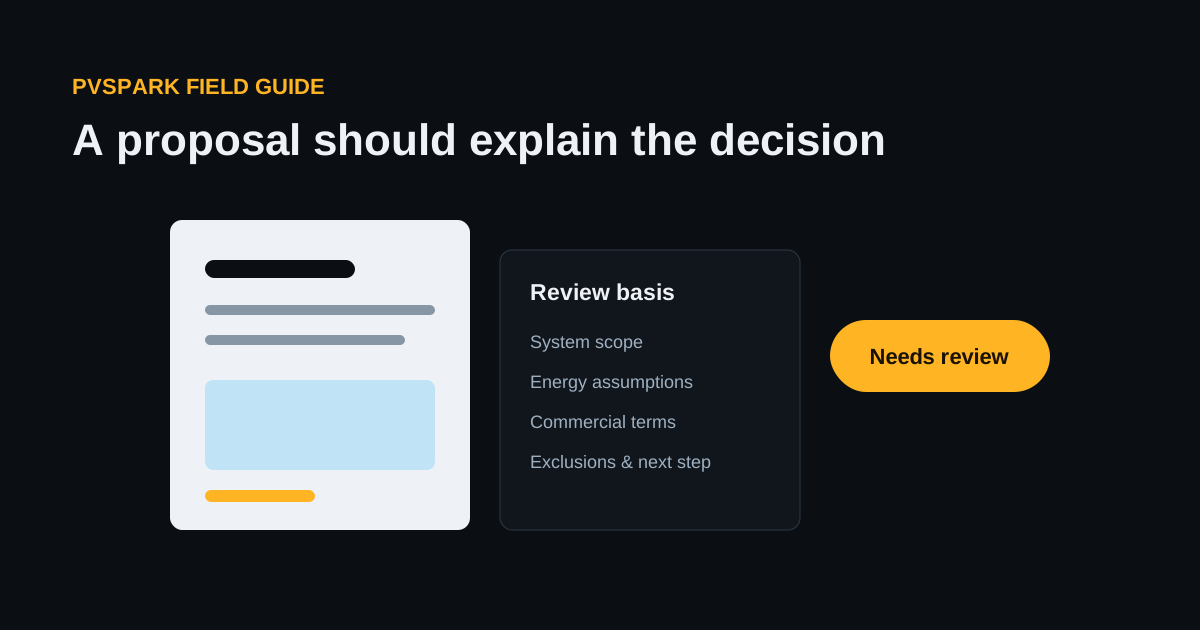
A professional solar proposal helps a customer understand the recommended system, the evidence and assumptions behind it, the commercial offer, and the decision that comes next. It should make uncertainty visible instead of hiding it behind polished graphics.
The exact document depends on the project, jurisdiction, and commercial model. This structure is an operating checklist, not legal, financial, regulatory, or engineering advice.
Start with the customer decision
Open with a concise summary: site, proposed system, intended outcome, proposal status, and next step. Make it clear whether the proposal is preliminary, survey-informed, technically reviewed, or subject to further approval.
Avoid leading with a long company history. The customer first needs to know what is being proposed and what information supports it.
Identify the project and proposal version
Include the customer or project reference, site, issue date, validity period, author, revision, and contact route. If a previous proposal is superseded, say so clearly.
Version control matters because module, inverter, layout, price, tariff, or scope changes can make an older document misleading even when it still looks current.
Describe the system scope
Depending on the stage, identify:
- module and inverter selections or approved equivalents;
- DC and AC capacity assumptions;
- array location, orientation, and layout basis;
- mounting approach at an appropriate level;
- monitoring, storage, or other included equipment;
- major electrical and civil scope;
- design, procurement, installation, testing, commissioning, and handover responsibilities.
Do not imply that a concept layout is construction-ready. State the review status and dependencies.
Explain the energy estimate
Present annual energy with its model basis, important loss assumptions, weather source, design revision, and uncertainty statement. If monthly values are shown, explain what they represent.
Keep energy, bill savings, payback, and return calculations distinct. Financial results depend on consumption, tariffs, export rules, escalation, taxes, financing, downtime, and other assumptions beyond physical energy production.
P50 or P90 values should only appear when their uncertainty method is appropriate and documented. Neither value is a performance guarantee by itself.
Make commercial terms readable
State the price, taxes, payment milestones, validity, inclusions, exclusions, delivery assumptions, and change process. If the proposal contains optional items, distinguish them from the base scope.
Do not hide material exclusions in tiny text. A clear exclusion protects both parties by showing what requires a separate decision.
Set out responsibilities and dependencies
Projects often depend on site access, customer information, structural review, utility approval, permits, equipment availability, safe working conditions, and timely decisions. Record who owns each dependency and what happens if it changes.
For India’s residential rooftop process, the official service journey includes feasibility approval and tracks installation through the national programme. Current requirements still depend on the relevant DISCOM and scheme; consult the Government of India rooftop solar service information and applicable local sources rather than copying a generic approval promise into every proposal.
Address warranty, operation, and support accurately
Separate manufacturer warranties, installer workmanship commitments, performance commitments, maintenance scope, and support contacts. State the controlling terms and important conditions.
Avoid phrases such as “maintenance-free” or guaranteed savings unless the actual agreement, exclusions, measurement method, and responsible party support them.
Use visuals as evidence, not decoration
A site image, layout, single-line diagram, generation chart, and equipment summary can improve understanding. Label preliminary visuals and revisions. Make charts readable without relying only on colour, and add units, time periods, and assumptions.
Finish with the next controlled step
Tell the customer how to ask questions, accept, request a revision, arrange a survey, or proceed to technical review. Acceptance should refer to the correct proposal revision and associated terms.
Before issue, use a two-part review: technical reviewers check design and model content; commercial reviewers check scope, price, terms, and customer language. Generated documents can reduce copying, but accountable review remains essential.
PVspark’s proposal workflows reuse reviewed project and design information and preserve a controlled project context. Installer teams remain responsible for their proposal terms, calculations, approvals, and professional review.